Commercial Waste Southwark — Recycling & Sustainability
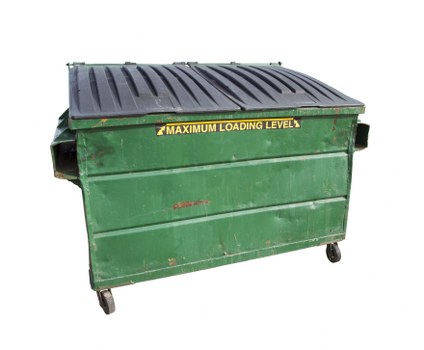 At Commercial Waste Southwark we design an eco-friendly waste disposal area strategy that supports businesses across the borough. Our approach to an eco-friendly rubbish disposal area balances immediate operational needs with long-term environmental targets, creating practical solutions for shops, offices, hospitality and light industry. We partner with local stakeholders to make sure the sustainable rubbish area model is resilient, compliant and easy to use.
Recycling performance is central to our mission. Our recycling percentage target is ambitious: we aim to reach a 65% reuse and recycling rate for commercial waste by 2030. This target focuses on diverting food waste, paper, glass, plastics and textiles away from landfill and towards sustainable waste disposal areas such as composting facilities, anaerobic digestion and refurbishment centres. Tracking progress with transparent metrics ensures every client sees how collections contribute to borough-wide goals.
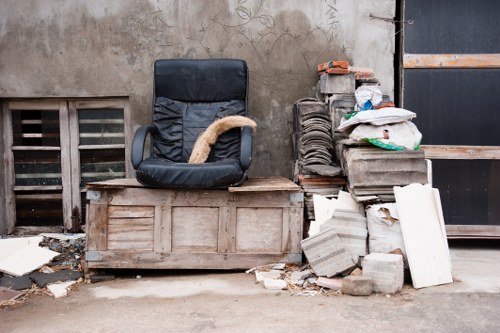 We work closely with the network of local transfer stations and consolidation points to speed up logistics and reduce emissions. Collection rounds are routed to nearby transfer hubs and borough transfer stations rather than long haul trips to remote landfills. By leveraging local transfer stations and cross-borough consolidation centres, we improve throughput into recycling facilities and make the eco-friendly waste disposal area model more cost-effective for businesses.
Partnerships with charities and reuse organisations are a key part of our sustainable rubbish area work. We coordinate direct donations and reuse streams so usable goods avoid the waste stream. Strong partners include furniture refurbishment projects, clothing banks and electronic refurbishment teams who can extend the life of items collected from commercial premises.
Our charity partnerships are structured to ensure traceability: goods are assessed, catalogued and transferred to third-sector partners with clear reuse outcomes. Typical collaboration types include:
- Furniture and fittings reuse with accredited social enterprises
- Textiles and uniform diversion to clothing banks and employment programmes
- WEEE (electrical) recovery to certified refurbishment centres
 To support a low-carbon logistics network we operate a fleet of low-emission and low-carbon vans, including electric vans and plug-in hybrids for standard routes, and cargo bikes for inner-city last-mile collections. Route optimisation software reduces mileage and idling time, while routine driver training focuses on eco-driving techniques. These measures reduce the carbon footprint of the commercial collection service and help keep Southwark’s sustainable rubbish area operations lean and clean.
What we collect and how we recycle
Our commercial recycling and waste separation services reflect the borough's approach to waste separation: clear streams for food waste, paper & card, glass, metal, mixed plastics, textiles and non-recyclable residual. For businesses, we provide straightforward guidance and on-site signage to ensure contamination rates stay low and recycling quality stays high.Common recycling activities in the area include:
- Mixed dry recycling (paper, card, cans, clean plastic bottles)
- Glass: separate glass banks and collections to curb breakage and contamination
- Food waste: collections routed to anaerobic digestion and composting facilities
- Bulky items and WEEE: repairs, refurbishment and certified recycling
We also support segregation at source within premises to create a dedicated green waste disposal area for garden and landscaping materials used by restaurants, hotels and retail outlets with planting schemes. Clear bin labelling and bespoke container sizes help maintain efficient flow from premises into the borough’s recycling infrastructure.
Monitoring, reporting and continuous improvement
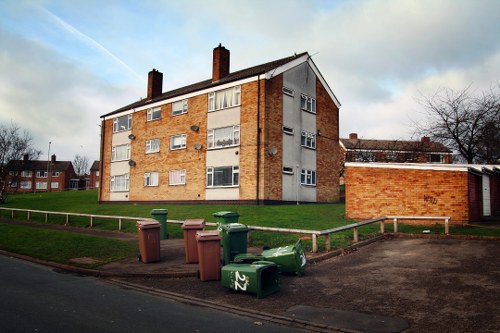
Our delivery model includes regular reporting on recycling percentages, contamination levels and vehicle emissions. Businesses receive monthly summaries that show progress toward the recycling percentage target and opportunities to increase diversion from landfill. Data-driven decisions let clients see the impact of different waste segregation practices and the benefits of moving more material into sustainable streams.We continually refine collection frequencies, container types and transfer station routing to improve efficiency. Examples of process improvements include consolidating small-site collections through shared containers, introducing segregated food waste collections for catering businesses, and scheduling off-peak pickups to reduce congestion and idling in high-footfall areas.
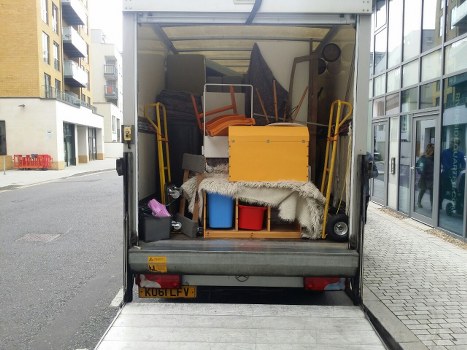 Our commitment is collective: by aligning business practices with borough objectives we create an eco waste area in Southwark that supports resource recovery, reduces greenhouse gas emissions and stimulates the local circular economy. Commercial Waste Southwark provides the operational backbone that turns day-to-day rubbish handling into an opportunity for sustainable benefit. Together, businesses, charities, transfer hubs and low-carbon logistics form the complete ecosystem of a truly sustainable rubbish area across the borough.
By prioritising reuse, local transfer station utilisation, low-emission vehicles and charity partnerships, we make the eco-friendly waste disposal area model practical and scalable for Southwark’s commercial sector.
Our strategy emphasises measurable targets and collaborative delivery, ensuring the borough’s sustainable rubbish area is both ambitious and achievable.
