Quick rubbish clearance for Bermondsey SE16 flats
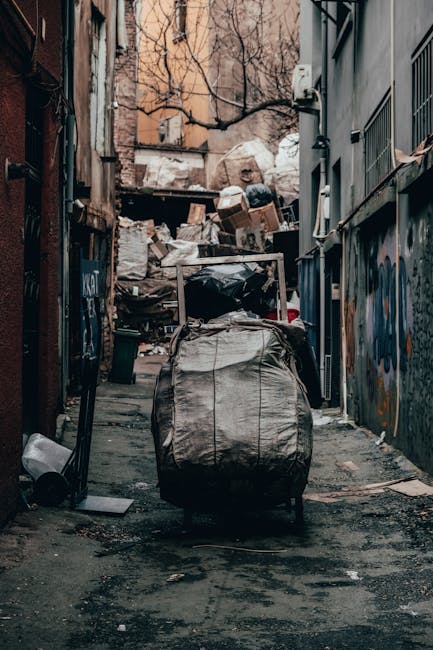
If your Bermondsey SE16 flat is starting to feel cramped by old furniture, broken bits, bagged-up clutter, or the kind of rubbish that quietly multiplies in a corner, you are probably looking for a fast, tidy way to deal with it. Quick rubbish clearance for Bermondsey SE16 flats is exactly that: a practical, same-day or next-day style solution for getting waste out of the way without turning your hallway, lift, or stairwell into a mess. In a place where space is already at a premium, speed matters. So does care. Nobody wants a quick job that becomes a bigger headache.
This guide explains how the process works, what it is best for, where people trip up, and how to choose the right approach for a flat in Bermondsey. You will also find a checklist, a simple comparison table, and straight answers to the questions people usually ask when the flat is full and time is short. Let's keep it useful, not fluffy.
Why Quick rubbish clearance for Bermondsey SE16 flats Matters
Flats in Bermondsey often come with one thing in common: limited space. Once a spare chair becomes a storage shelf, and a couple of bags become a mini mountain by the front door, the whole place can start feeling smaller than it really is. Quick clearance matters because clutter affects more than appearances. It can block access routes, make cleaning harder, attract smells, and create stress every time you walk past it.
In a flat, speed also matters for practical reasons. Maybe you are preparing for a move, getting ready for an end-of-tenancy inspection, arranging a refurbishment, or simply trying to reclaim a bedroom that has turned into a dumping ground. The faster the rubbish is removed, the sooner you get your space back. Simple as that.
There is another angle too: flats are shared environments. In a block, rubbish left in corridors, on balconies, or in communal areas can create friction with neighbours and building management. Nobody enjoys the sight of a sofa wedged near the lift or a fridge left waiting outside. Quick rubbish clearance for Bermondsey SE16 flats helps you avoid that awkward stage where "I'll deal with it later" becomes "who left this here?"
To be fair, a rushed clearance should still be orderly. The goal is not just removal. It is safe removal, from a flat, with minimal disruption to your day and to everyone else in the building.
How Quick rubbish clearance for Bermondsey SE16 flats Works
The process is usually straightforward, but the details matter. A good flat clearance service will want to understand what needs removing, how much there is, whether there are stairs or lift access, and whether anything needs special handling. That initial picture helps determine the number of people needed, the vehicle size, and how long the job should take.
In many cases, the process looks something like this:
- You describe the items or waste that need clearing.
- The job is assessed based on volume, access, and item type.
- A time is agreed for collection, sometimes same day or next day depending on availability.
- The team arrives, removes the items, and tidies the area.
- Usable items may be separated from general waste where appropriate, and the load is taken for correct disposal or recycling.
That sounds neat on paper, but in real life there are often little complications. A bulky wardrobe may not fit through the door in one piece. An old mattress can be heavier and more awkward than expected. A narrow stairwell in a Bermondsey block can slow things down, especially if parking is tight outside. This is why a clear description at the start saves everyone hassle.
If you are booking through a specialist, it can help to also look at related services such as flat clearance, furniture clearance, or general waste removal depending on what you are getting rid of. A mixed load is common in flats. One room's worth of clutter rarely sticks to just one category, does it?
Key Benefits and Practical Advantages
The biggest benefit is obvious: you get the rubbish out quickly. But there are several other advantages that are easy to miss until you have done this a few times.
- Less stress: once the items are gone, the flat instantly feels easier to manage.
- Better use of space: a cleared corner can become a workspace, guest area, or simply breathing room.
- Safer access: removing clutter reduces trip hazards and keeps entrances, hallways, and fire routes clearer.
- Faster turnaround: useful when moving out, preparing for tenants, or handling a last-minute clean-up.
- More efficient disposal: mixed waste can be sorted properly rather than dumped in the nearest inappropriate place.
- Less lifting for you: no dragging a broken table down three floors in a fit of optimism and bad timing.
There is also a good environmental angle when the job is done well. Reusable items can sometimes be separated from waste, and recyclable materials can be diverted appropriately. If sustainability matters to you, it is worth asking about the provider's approach to sorting and disposal. A responsible service should be able to explain that in plain English, not jargon.
For awkward items, specialist services can make life easier. Think of a heavy old bed, a broken fridge, or a sagging sofa that has been meaning to leave for months. In those cases, it may be more sensible to use targeted help such as mattress and sofa disposal or fridge and appliance removal.
Who This Is For and When It Makes Sense
Quick rubbish clearance for Bermondsey SE16 flats suits a lot of different situations. Some are obvious, some are a bit messier in real life.
- Tenants moving out: when you need the flat empty and tidy before handover.
- Landlords and agents: when a property needs turning around quickly between occupiers.
- Homeowners in smaller flats: when years of "we'll sort that later" finally catch up.
- Families with limited storage: when bulky items are blocking everyday life.
- People downsizing: when only some belongings are moving on to the next place.
- Letting and renovation projects: when old contents, packaging, or leftover material need shifting fast.
It also makes sense when the job is emotionally draining. Clearing a flat after a separation, a bereavement, or a long period of disuse is rarely just a practical task. In those moments, speed helps, but sensitivity matters too. A respectful team can make a difficult day feel a little less heavy.
If the clear-out is broader than one room or a single pile of waste, you might also look at home clearance or house clearance for more comprehensive support. The right choice depends on how much needs shifting and how much time you actually have. Truth be told, most people underestimate both.
Step-by-Step Guidance
If you want the process to go smoothly, a bit of preparation goes a long way. You do not need to stage the flat like a film set. Just make it clear, safe, and ready.
- Separate what stays and what goes. Walk through the flat room by room and mark the items you want removed. If an item is borderline, decide now. It is much easier than making split decisions while the team is waiting by the door.
- Check access. Measure especially bulky items if needed. Note lift size, stair turns, parking constraints, and any entry codes or concierge arrangements. In Bermondsey, access can be the real difference between quick and slightly less quick.
- Group items sensibly. Put smaller loose rubbish in bags, and keep sharp or awkward objects apart so they can be handled safely.
- Flag special waste early. Paint, chemicals, fridges, TVs, batteries, and other awkward items may need separate handling. Do not leave that until the van is outside. Nobody wants a surprise on the doorstep.
- Ask about pricing structure. Make sure you understand whether the quote is based on load size, labour, item type, or access conditions.
- Keep communal areas clear. If you are in a block, avoid leaving items in hallways or shared spaces before collection unless you have been told that is acceptable.
- Confirm the timing. If you need a same-day clearance, say so early. Last-minute bookings can sometimes be arranged, but don't count on magic.
One practical tip: if you are clearing a flat after a move, keep a small box aside for essentials like documents, chargers, keys, and anything personal. It sounds obvious, yet people are always surprised by how easy it is for a useful item to disappear into the "go" pile.
Expert Tips for Better Results
Here's where a bit of experience saves time and money. These are the small things that tend to make a big difference.
- Take one quick video of the items before booking. It helps explain the scope better than a vague description like "some stuff".
- Be honest about access. If the lift is out of order, say so. If the parking is awkward, say so. It avoids delays and guesswork.
- Keep fragile items apart. Old mirrors, glass shelves, and picture frames need more care than the average black bag.
- Don't mix valuable items with rubbish. You would be surprised how often documents, spare keys, or small electronics end up in the wrong pile.
- Plan for the building. In a shared block, think about neighbours, lift bookings, and noise. A quick job should still be considerate.
- Ask how sorting is handled. Responsible clearance usually means separating reusable, recyclable, and non-recyclable material where possible.
If the load is mostly furniture, the provider may also suggest services like furniture disposal rather than treating everything as mixed rubbish. That can help streamline the job, especially where there are bulky sofas, wardrobes, and tables. A little organisation at the start saves a lot of stair-climbing later.
And yes, be realistic about what you can lift yourself. A sofa that looks manageable at 8 a.m. can feel like a tiny shipwreck by 8:15.
Common Mistakes to Avoid
Most clearance problems are not dramatic. They are just annoyingly avoidable. The usual culprits are these:
- Waiting too long: leaving it until the last minute creates pressure and limits your options.
- Underestimating volume: one spare room can contain far more waste than expected once you start sorting.
- Forgetting access issues: narrow stairs, lifts, permits, and parking all affect the job.
- Mixing hazardous items with normal waste: this can create safety problems and may require a different disposal method.
- Assuming every service is the same: some are better for bulky furniture, others for mixed rubbish, and others for specialist items.
- Leaving the flat untidy after the collection: even if the waste is removed, loose debris and small scraps can still make the place feel unfinished.
One common slip-up is booking a clearance without thinking about communal responsibility. In apartment buildings, it is not just about your flat. Noise, blocked corridors, and overfilled landings can quickly become a problem. Nobody wants a polite note from the managing agent. Or a less polite one.
A second mistake is expecting every item to be treated the same. For example, a standard rubbish collection may not be the best route for appliances, mattresses, or sensitive papers. If privacy is a concern, a service such as confidential shredding can be relevant for documents. That kind of detail matters more than people think.
Tools, Resources and Recommendations
You do not need a van full of equipment to prepare well, but a few basic tools help. Think practical rather than fancy.
- Sturdy bin bags and boxes for sorting smaller items.
- Marker labels so you can separate keep, clear, donate, and recycle piles.
- Gloves if you are handling dusty, sharp, or dirty materials.
- Measuring tape for bulky furniture and awkward access routes.
- Phone camera to photograph the load and help with quoting.
- Notebook or checklist for items that need special handling.
For planning a wider clearance, browsing related service pages can help you match the job properly. For example, if your flat clear-out includes storage spaces, loft clearance or garage clearance may be useful concepts, even if the actual access is different in a flat. If you are dealing with renovation leftovers, builders waste clearance is worth understanding too.
For cost and booking preparation, the most helpful page is usually pricing and quotes. And if you already know you want to get on with it, the simplest next step is often book online. Easy enough. No drama.
Law, Compliance, Standards, or Best Practice
Any rubbish clearance in a flat should be handled with care and in line with accepted UK waste management practice. That means waste should be collected, transported, and disposed of responsibly by a provider that understands its duties. It is sensible to check that the company operates in a proper, traceable way and can explain what happens to different kinds of waste.
There are a few common-sense compliance points that matter in practice:
- Duty of care: waste should not simply vanish into a skip or onto the nearest pavement. It needs proper handling and disposal.
- Segregation of special items: things like fridges, chemicals, electrical items, and sharps may require separate treatment.
- Safe lifting and movement: building access, stairs, and narrow halls should be managed to reduce risk to people and property.
- Respect for communal spaces: flat blocks often require extra attention to lifts, corridors, and entry points.
- Privacy and security: documents, devices, and personal materials should be handled carefully, especially in clear-outs after a move or tenancy end.
It is also wise to check a provider's approach to insurance and safety. That does not mean expecting a complicated policy lecture. It simply means the team should be prepared for real-world risks: tight staircases, heavy furniture, and the occasional "that looked lighter in the photo" moment.
Best practice is usually pretty plain: be honest about what needs removing, make access clear, and choose a provider that treats the job as a controlled process rather than a quick dash. Quick does not have to mean careless.
Options, Methods, or Comparison Table
There are usually a few ways to clear rubbish from a flat, and the right choice depends on speed, volume, and the type of waste. Here is a simple comparison.
| Method | Best for | Pros | Limitations |
|---|---|---|---|
| DIY trips to the tip | Small loads, time to spare | Can work for light, manageable rubbish | Time-consuming, awkward without a vehicle, more lifting on your side |
| Skip hire | Projects with plenty of space and ongoing waste | Useful for larger jobs that build up over time | Not ideal for many flats; access and placement can be tricky |
| Booked rubbish clearance | Fast removal, mixed waste, bulky items | Convenient, quick, less physical effort | Needs a clear description for accurate planning |
| Specialist item removal | Mattresses, sofas, appliances, specific materials | More suitable handling for awkward items | May need separate booking depending on the load |
For many Bermondsey flats, a booked clearance is the most practical option because access is the deciding factor. If there is no spare driveway and no appetite for multiple lift journeys, a team that comes, clears, and leaves the space usable again is usually the least painful route.
If you are weighing up disposal routes for a bulky item, it can also help to understand related choices such as what can go in a skip. Even if you do not end up using a skip, knowing the boundaries makes planning easier.
Case Study or Real-World Example
Picture a typical Bermondsey SE16 flat on a Friday morning. The tenant is moving out that weekend, the hallway has a broken bedside table, two bagged piles of mixed rubbish, an old mattress, and a dining chair that has been wobbling for months before finally giving up. The lift is small. Parking is tight. Naturally, the bin store is already full. It is not a disaster, but it is one of those jobs that grows teeth if left untouched.
The most efficient approach in that kind of scenario is to sort the items by type before collection, keep the corridor clear, and describe the access honestly. The mattress may need separate handling, the chair can go with general furniture, and the loose rubbish can be grouped into manageable bags. With everything ready, the collection becomes a controlled one-visit job rather than a shuffle of half-finished decisions.
The big win is time. The flat feels liveable again almost immediately. No lingering clutter. No bags sitting by the door for another week. And if you have ever tried to clean around a stack of odds and ends, you will know that relief is very real. You can hear it in the room, almost. Less clatter, less clutter.
For a situation like this, browsing the main flat clearance service and checking the payment and security information beforehand can make the booking feel easier and more transparent. That little bit of prep takes the edge off the whole thing.
Practical Checklist
Before the team arrives, run through this quick checklist. It saves time, and it saves that awkward "oh, we forgot the other room" moment.
- Identify every item that needs removing.
- Separate anything staying in the flat.
- Check for bulky, heavy, or fragile objects.
- Note any appliances, mattresses, or special waste.
- Clear a path from the flat to the exit.
- Confirm lift access, stair access, and parking details.
- Tell the provider about any building rules or time restrictions.
- Keep valuables, documents, and personal items safely apart.
- Ask about recycling and disposal handling.
- Make sure someone is available for access if needed.
Quick takeaway: the best results usually come from a simple formula: clear description, tidy access, and the right service for the type of waste. Nothing flashy. Just organised.
Get a free quote today and see how much you can save.
Conclusion
Quick rubbish clearance for Bermondsey SE16 flats is really about making a busy, confined space manageable again without adding stress to an already full day. Whether you are dealing with move-out clutter, old furniture, mixed rubbish, or a long-overdue clear-out, the right approach is the one that fits the access, the volume, and the urgency of the job.
If you prepare a little, ask the right questions, and choose a provider that treats the job with care, the whole thing becomes surprisingly straightforward. Not effortless, but straightforward. And in a flat where space is precious, that is no small thing. A clear floor, a clear hallway, a clear mind - sometimes that really is the difference.
Frequently Asked Questions
How fast can rubbish be cleared from a Bermondsey SE16 flat?
It depends on availability, access, and how much needs removing. Small jobs can sometimes be handled very quickly, especially if the item list is clear and the flat is easy to access.
Can I book quick rubbish clearance for the same day?
Sometimes, yes. Same-day bookings are often possible for straightforward clearances, but it is best to request it as early as you can. The more notice you give, the better.
What kinds of items can usually be removed from a flat?
Common items include general rubbish, furniture, mattresses, broken household items, packaging, and mixed household clutter. Some items may need specialist handling, such as appliances or hazardous materials.
Is flat rubbish clearance better than hiring a skip?
For many flats, yes. A clearance service is often easier because you do not need space for a skip, and you do not have to do the lifting yourself. That said, the right choice depends on the job.
What if my flat has no lift?
No lift is not unusual, but it does affect the job. Stairs take more time and effort, so it helps to mention that in advance. Good planning makes a big difference.
Do I need to sort everything before collection?
Not always, but basic sorting helps. Separating rubbish from keepers, and flagging bulky or special items early, makes the clearance smoother and often quicker.
Can old sofas, beds, and mattresses be taken away?
Yes, these are common clearance items. In some cases, it may be more appropriate to use a targeted service such as mattress and sofa disposal, especially if the load is mostly bulky furniture.
What should I do with electrical items or fridges?
Let the provider know before the visit. Appliances and electrical items can need separate handling, so it is better to mention them upfront rather than treat them as ordinary rubbish.
How do I avoid problems in a shared block?
Keep communal areas clear, check building rules, and arrange the timing so access is smooth. A considerate approach keeps neighbours happier and avoids unnecessary complications.
Will the clearance include tidying up afterwards?
Usually, a good clearance should leave the area tidy once the items are removed. It is sensible to ask what level of clean-up is included so you know what to expect.
How do I know if the company is handling waste properly?
Ask about their disposal process, safety practices, and how they manage different waste types. Responsible providers should be open about what happens after collection.
What if I only have a small amount of rubbish?
Even small amounts can be worth clearing quickly if they are taking up space or creating a hazard. A small job can be just as annoying as a large one when it keeps getting in your way.
Can I get a quote before booking?
Yes, and you should. A clear quote helps you compare options and avoid surprises. For planning, the pricing and quotes page is a useful place to start.
What is the best first step if my flat is overflowing?
Start by separating what stays and what goes, then note any awkward items or access issues. Once that is done, booking becomes much easier and the job feels less overwhelming.